Mellati Font: A Smart Choice for Small Business Embroidery
First Impression: Friendly, Clean, and Professionally Handmade
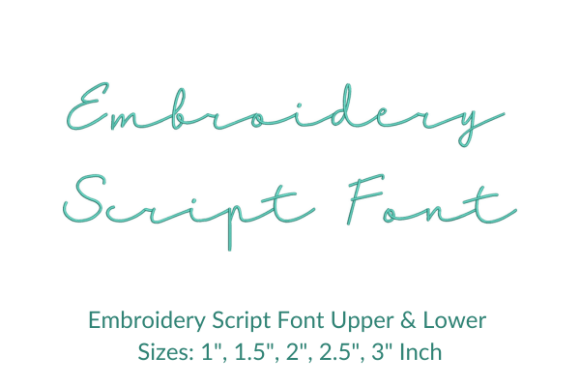
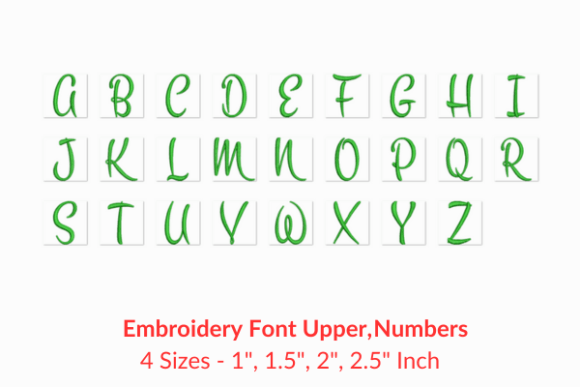
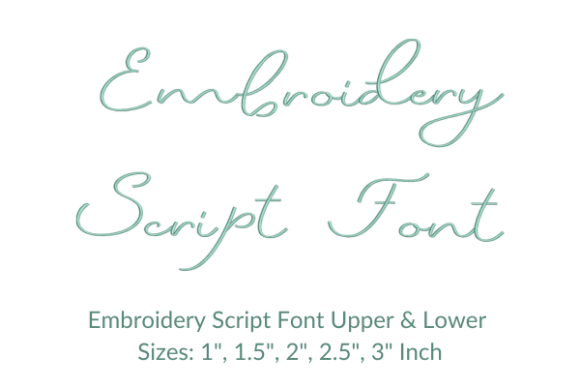
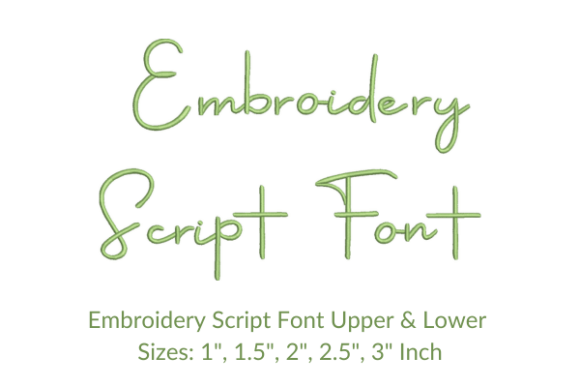
As an embroidery designer who’s digitized over 2,000 custom logos and fonts for small businesses—from neighborhood bakeries to indie florists—I immediately recognized Mellati Font’s quiet confidence. It’s not flashy or overly ornate, but it carries a warm, approachable elegance—think handwritten charm refined for machine precision. The name “Mellati” suggests softness and flow, and the description confirms it’s built for personalization: names, dates, quotes—exactly what local brands use to humanize their merchandise. For a School-aligned design (perhaps used for staff apparel or student event patches), it strikes the right balance between youthful energy and respectful polish.
Real-World Performance Across Business Touchpoints
Mellati Font shines where small business merch lives: on embroidered patches sewn onto aprons at a coffee roastery, stitched cleanly across the chest of staff uniforms at a boutique hotel, or scaled down as a subtle sleeve detail on tote bags sold at a handmade studio. Its clean letterforms hold up beautifully in cap embroidery—especially on structured front panels—without sacrificing legibility. On cotton twill aprons or canvas tote bag designs, the font reads confidently even at 1.5" height, making it ideal for branded product labels or customer gift tags.
For Etsy sellers and crafters offering personalized items, Mellati Font delivers consistent results across batches. Whether stitching “Est. 2023” on a pet brand’s bandana or “Wildflower & Co.” on a florist’s reusable market sack, the rhythm and spacing support brand identity without demanding excessive stitch density. That means faster hooping, smoother runs on commercial embroidery machines, and fewer thread breaks during production—critical when fulfilling tight holiday deadlines or pop-up event orders.
Where to Use Mellati Font Thoughtfully
Like any strong machine embroidery design, Mellati Font rewards intentionality. Avoid pushing it below 0.75" tall on curved surfaces like cap fronts or knit beanies—it can lose clarity where fabric stretches or contours sharply. On textured fabrics (burlap, heavy linen, or terry cloth), test stitch density first: too many overlapping stitches may cause puckering or shadowing, especially with dark thread on light fabric.
Small patch sizes (under 1.25") require special attention. While Mellati Font scales well, its gentle curves and moderate stroke contrast mean fine serifs or narrow counters may close up if digitized poorly—or if the embroidery file wasn’t optimized for low-stitch applications. Always verify how the lowercase “e,” “a,” and “s” render at your target size before cutting production runs.
Also consider context: on high-wash garments like chef coats or daycare staff shirts, avoid ultra-thin outlines or delicate interior details that could fray over time. Mellati Font’s strength lies in its balanced weight—not ultra-light, not bold—so lean into that consistency rather than forcing extremes.
How Mellati Font Strengthens Brand Identity and Trust
In small business merch, typography is silent branding. Mellati Font doesn’t scream—but it *listens*. Its friendly yet polished tone tells customers, “We care about craft, not just commerce.” When used consistently across apron embroidery, tote bag design, and embroidered patch labels, it builds visual recognition faster than a logo alone. A local bakery using Mellati Font for both “Honeycrust Bakery” on oven mitts and “Fresh Daily” on pastry bags creates cohesion that feels intentional—not accidental.
That consistency directly impacts perceived value. Customers equate clean, well-digitized embroidery with professionalism and attention to detail—key drivers of trust for handmade product buyers. And because Mellati Font works equally well for personalization (“Emma’s First Shift”) and branding (“The Nest Studio”), it supports both gifting and identity-building in one digital embroidery file.
Practical Designer Notes for Commercial Use
Before launching Mellati Font into production:
- Test in black and white first—verify contrast and clarity without color distraction.
- Check minimum legible size on your preferred fabric and stabilizer combo; don’t rely solely on screen mockups.
- Review thread color contrast carefully—light Mellati Font on pale chambray reads differently than on charcoal denim.
- Inspect letter spacing at final size; tight kerning can merge letters on dense weaves.
- Confirm hoop size compatibility—some Mellati Font variations may include extended characters or ligatures requiring larger hoops.
- Test on real fabric, not just tear-away stabilizer—fabric texture changes how stitches lay and reflect light.
- Use appropriate stabilizer: cutaway for knits, medium-weight tear-away for stable wovens, and fusible for lightweight linens.
- Create a printable mockup for client approval—show it on actual garment photos, not just white backgrounds.
- Compare Mellati Font beside your other design assets—does it harmonize with your logo, icons, and packaging typography?
- Confirm commercial licensing before using Mellati Font in client projects or resale merchandise. Since this is described as a machine embroidery design intended for personalization and fabric use, verify permissions cover small business merch, custom apparel, and digital embroidery file distribution if applicable.
Mellati Font isn’t just another embroidery file—it’s a versatile, brand-conscious tool. Whether you’re digitizing for a school fundraiser, embroidering staff uniforms for a creative studio, or building cohesive Etsy branding, it offers reliability without rigidity. In a landscape crowded with overdesigned fonts and inconsistent digitization, Mellati Font stands out by doing exactly what small business embroidery needs most: looking great, working smoothly, and sounding like your brand—quietly, confidently, and always on point.