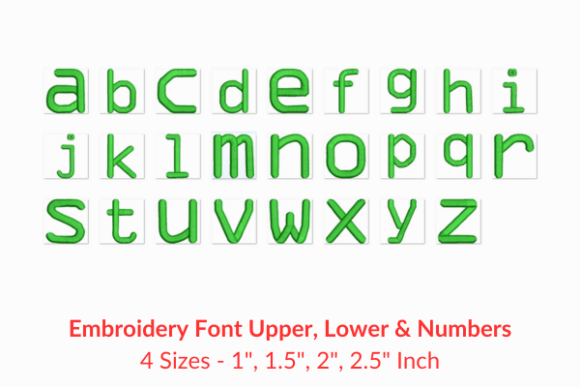
Microscan Fonts Embroidery Design
A Clean, Versatile Font for Boutique Sweatshirt Collections
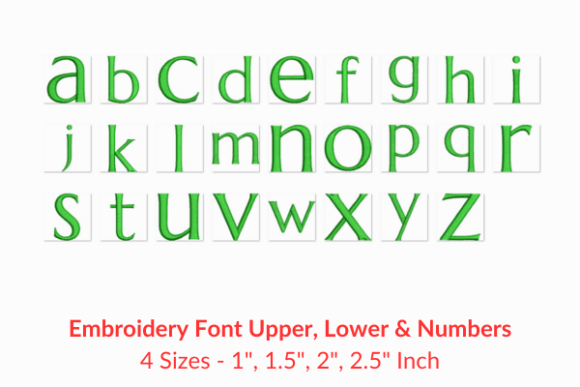
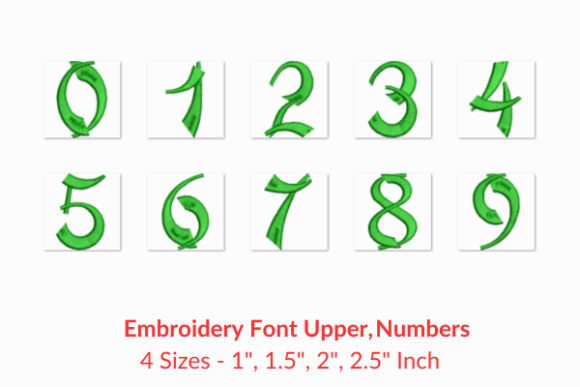
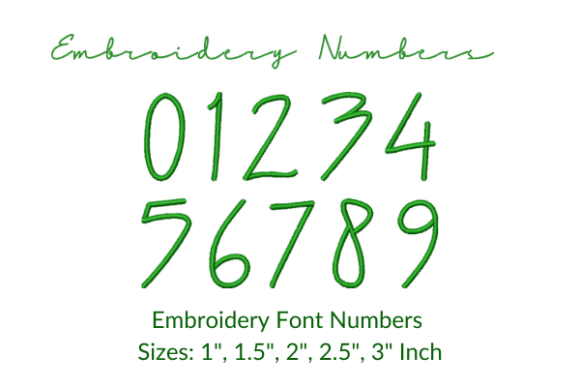
As an embroidery designer who’s developed over 200 custom apparel collections for small clothing brands and Etsy sellers, I approach every new font with quiet scrutiny—especially when planning a cohesive sweatshirt or hoodie line. Microscan Fonts Embroidery Design landed in my Creative Fabrica cart with minimal fanfare, but its visual personality immediately stood out: crisp, slightly condensed letterforms with balanced spacing, subtle curve definition, and a clean stitch profile that reads as both modern and timeless. It doesn’t shout—it invites. That makes it ideal for boutique brand storytelling: think minimalist monograms on oatmeal hoodies, delicate date embroidery on graduation sweatshirts, or soft-name personalization on baby-soft French terry.
How It Performs Across Real Apparel Surfaces
Microscan Fonts Embroidery Design delivers consistent legibility whether stitched on structured denim jackets, looped fleece hoodies, or lightweight cotton tees. On neutral sweatshirts (heather grey, oat, cream), the font’s moderate stitch density holds shape without stiffness—no puckering, no thread dominance. On dark garments like charcoal or navy, it shines best with high-contrast thread colors (ivory, pale gold, or true white), where its clean edges stay sharp even at smaller sizes. For oversized hoodies, I tested chest placement at 3.5” wide: the proportions held beautifully, neither cramped nor sprawling. Sleeve accents? Yes—especially on rolled cuffs, where the font’s even baseline and modest height prevent visual imbalance.
Back designs benefit from Microscan Fonts Embroidery Design’s natural rhythm: short quotes or names flow cleanly across shoulder blades or lower backs without needing excessive kerning adjustments. Tote bags and seasonal lifestyle pieces—think cozy flannel-lined totes or holiday-themed loungewear—also respond well, thanks to its balanced weight distribution and lack of overly dense fill areas. For commercial embroidery production, this translates to fewer thread breaks and smoother hooping transitions across varied fabric textures.
Where to Use It Thoughtfully
- Small chest placement: Works reliably down to ~2.75” width, but always test on scrap fabric first—especially with ribbed knits or stretchy blends where letter distortion can occur.
- Dense stitch zones: Avoid stacking multiple lines too tightly; Microscan Fonts Embroidery Design has thoughtful spacing, but overlapping fills may increase stitch density beyond optimal for fleece or heavy terry.
- Stretchy or curved surfaces: Pair with light cutaway or tear-away stabilizer—not mesh alone—to maintain letter integrity on side seams or curved hems.
- Tiny lettering: Not recommended below 2” height for long-term wear durability; fine details may soften after repeated washes on high-loft fabrics.
Why It Elevates Boutique Brand Identity
Microscan Fonts Embroidery Design quietly reinforces buyer trust. Its precision signals professionalism—not just “handmade,” but *considered*. When customers see crisp, evenly spaced lettering on a $78 cashmere-blend hoodie, they subconsciously associate that polish with care in sourcing, construction, and presentation. For Etsy sellers and small shop owners, that consistency builds recognition: repeat buyers start to recognize your signature typography across listings, social media graphics, and printable mockups. It also streamlines visual branding—no need to switch fonts between sweatshirt tags, tote bag labels, and seasonal email headers.
In lifestyle product photos, Microscan Fonts Embroidery Design adds quiet sophistication. Unlike overly decorative or ultra-thin fonts, it photographs cleanly under natural light and retains clarity in thumbnail views—critical for scroll-driven platforms like Instagram or Etsy search results. And because it’s designed for versatility, it supports both gender-neutral collections (think unisex crewnecks with subtle initials) and School-aligned projects like teacher appreciation hoodies or personalized graduation gifts—without feeling juvenile or institutional.
Practical Designer Notes Before You Stitch
- Always run a test stitch on scrap fabric matching your final garment’s weight and texture—especially for fleece, brushed cotton, or ribbed knits.
- Confirm stabilizer choice: light cutaway works best for most sweatshirt embroidery; avoid heavy stabilizers that compromise drape.
- Review thread color contrast carefully—Microscan Fonts Embroidery Design relies on clarity, not boldness, so low-contrast combos (e.g., heather grey thread on charcoal fabric) risk fading into the background.
- Check hoop size compatibility before digitizing multi-line layouts—some versions may require larger hoops for extended phrases.
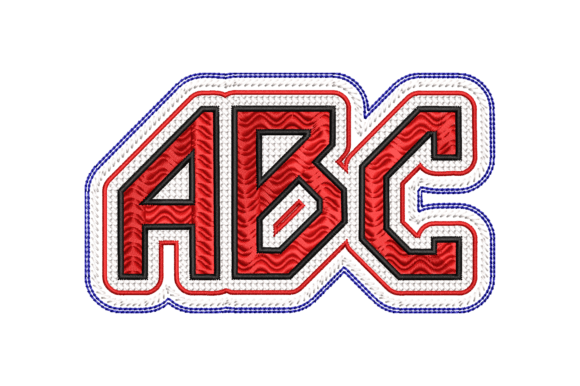
- Inspect stitch density in the design preview: if files include fill elements (like shadow or outline variants), verify they’re appropriate for your target fabric.
- Test placement options physically—pinning or iron-on transfer helps visualize scale on curved or asymmetrical surfaces like sleeve caps or back yokes.
- Review Creative Fabrica product details thoroughly: confirm included file formats, licensing scope for commercial embroidery, and any usage restrictions—especially if selling finished apparel.
Final Thoughts for the Intentional Embroiderer
Microscan Fonts Embroidery Design isn’t flashy—but that’s precisely why it’s valuable. In a market saturated with ornate scripts and oversized novelty fonts, it offers restraint, reliability, and quiet authority. It supports custom apparel without competing with it. Whether you're launching a capsule collection of pastel hoodies, building a school-themed boutique line, or scaling a handmade product business, this embroidery font serves as a foundational tool—not a trend piece. It pairs effortlessly with minimalist logos, botanical motifs, or subtle geometric accents, letting your brand voice lead while ensuring technical execution stays polished. For anyone stitching with purpose—not just speed—Microscan Fonts Embroidery Design earns its place in the working library of serious Creative Fabrica embroidery users.