Nasalization Font: A Seasonal Embroidery Designer’s Review
First Impressions: Cozy, Elegant, and Quietly Festive
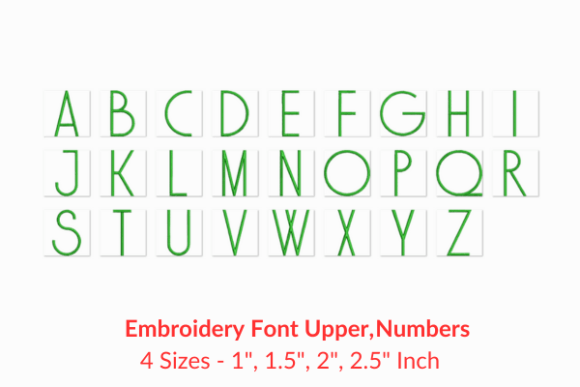
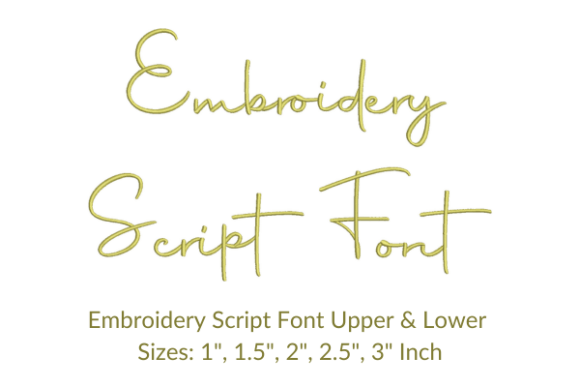
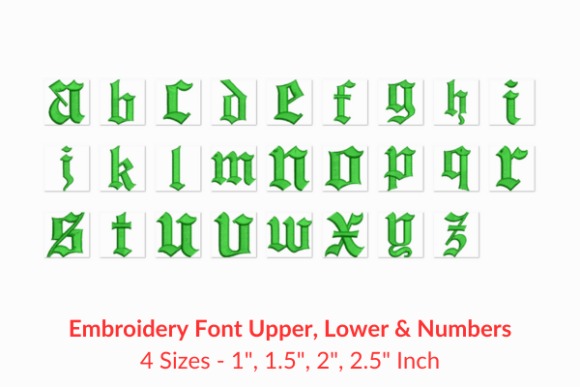
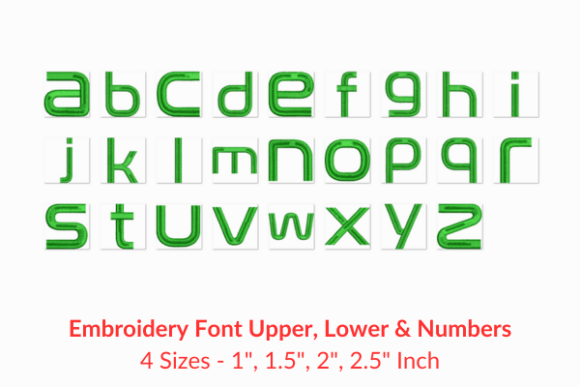
As an embroidery designer who builds seasonal collections for real holiday shoppers—not just digital previews—I opened Nasalization Font expecting something refined but approachable. What I found was a high-quality embroidery font with gentle curves, balanced spacing, and subtle decorative flair—neither overly ornate nor starkly minimal. It lands squarely in the “cozy elegance” zone: warm enough for family Christmas sweaters, polished enough for monogrammed kitchen towels gifted at Thanksgiving, and delicate enough for baby’s first holiday onesie. It doesn’t scream “holiday”—no holly motifs or snowflakes—but its rhythm and flow evoke nostalgia and quiet celebration. That’s a strategic strength: Nasalization Font works across multiple seasons (back-to-school, fall harvest, winter gifting, spring birthdays) without needing visual rebranding.
Real-World Holiday & Seasonal Use Cases
This isn’t just another machine embroidery design—it’s a versatile tool for small shop product development. On sweatshirt embroidery, Nasalization Font adds instant personality to matching family sets (“The Andersons • 2024”) without overwhelming the garment’s texture. For tote bag design, it shines on natural canvas or linen—clean, legible, and gift-ready. Kitchen towel embroidery benefits from its even letter height and open counters, ensuring readability after repeated washing. As pillow cover lettering or embroidered patch text, it holds detail beautifully when stitched with quality thread and stabilizer. And for holiday ornaments or table linens? Its graceful proportions lend quiet sophistication—ideal for Etsy listings where buyers scroll past dozens of options looking for *that* handmade gift that feels intentional, not generic.
Where It Builds Trust—and Where It Needs Caution
Nasalization Font earns trust because it looks hand-drawn yet stitches cleanly—no jagged edges or awkward joins. Buyers notice that. But as a working embroidery designer, I advise caution in specific scenarios: avoid using it for tiny lettering under 0.5 inches tall in small hoop sizes; fine details may collapse on thick towels or dark fabric without contrast testing. Metallic thread can exaggerate any stitch density quirks, so always test on your target fabric texture first. Stretchy garments (like ribbed knit baby caps) require extra stabilization—Nasalization Font’s smooth curves respond well *if* stabilized properly, but skip curved cap fronts unless you’ve verified hoop compatibility and tension control. Also, double-check how it behaves after laundering: some elegant fonts lose definition over time, but early mockups suggest Nasalization Font holds up well when digitized thoughtfully.
Emotional Impact & Seasonal Selling Power
Holiday shoppers don’t buy fonts—they buy feelings. Nasalization Font delivers warmth, care, and intentionality. That translates directly to higher perceived value: a personalized gift with this font feels more curated than one with a default script. On social media previews or printable mockups, it stands out for its balance—not too playful, not too formal—making it ideal for inclusive seasonal messaging (“Our Family Table,” “Made With Love • Fall 2024,” “Class of ’25”). For Etsy sellers and craft fair vendors, consistency matters: using Nasalization Font across your holiday embroidery lineup (tote bags, aprons, patches) creates visual recognition without sacrificing uniqueness. It also supports brand consistency for small shops that blend school-themed items (think graduation caps or teacher appreciation gifts) with broader seasonal offerings—its clean structure bridges both worlds naturally.
Practical Designer Notes for Seasonal Production
- Test thread colors on both light and dark fabric—especially for holiday palettes like forest green, burgundy, or cream. Some hues mute the font’s subtlety.
- Confirm stitch density before scaling. Dense fills may overwhelm lightweight fabrics; looser settings work better on textured surfaces like burlap or terry cloth.
- Match hoop size to your most common product. If you specialize in pillow covers or kitchen towel embroidery, ensure the largest version fits your standard hoop without re-hooping mid-stitch.
- Use tear-away + cut-away stabilizer combo for structured items (aprons, tote bags); switch to lightweight cut-away only for baby items or stretchy knits.
- Create realistic mockups—not just white backgrounds. Show Nasalization Font on oatmeal linen, charcoal sweatshirts, and natural cotton tea towels to reflect actual buyer expectations.
- Review small details post-stitch: check for stray thread nests in tight curves and confirm legibility at intended viewing distance (e.g., ornament text should read clearly at arm’s length).
- Plan matching color palettes in advance—pair Nasalization Font with coordinating solid threads or complementary seasonal motifs (minimalist wreaths, single-line trees) to build cohesive collections.
- Verify commercial licensing before selling finished product. As a School and Embroidery category file, confirm whether your use case (e.g., embroidered patches sold wholesale or personalized sweatshirts) falls within permitted scope.
Final Thought: A Quiet Workhorse for Meaningful Gifting
Nasalization Font won’t dominate your holiday catalog with flash—but it will elevate every personalized gift, every small shop product, and every handmade moment that matters. In a season flooded with loud, trend-driven designs, its thoughtful balance makes it a reliable anchor. Whether you’re stitching names on back-to-school backpacks or dates on anniversary pillow covers, this embroidery file supports storytelling without shouting. For Etsy sellers, crafters, and seasonal decorators, that quiet confidence is exactly what turns a digital embroidery file into a trusted part of your creative process—and your customers’ cherished memories.